
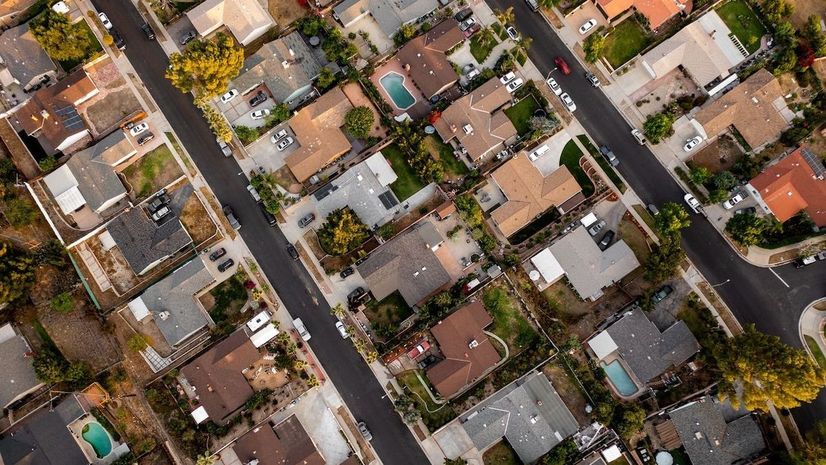
If you’ve lived in the same city or real estate market for long enough, you know the feeling of having seen an up-and-coming area turn into the next “it” spot. From Williamsburg in Brooklyn, NY, to East Austin in Austin, TX, there are many examples of neighborhoods that have gone from overlooked and underdeveloped to fully arrived and appreciated.
The question is: What’s next? From real estate investors to young homebuyers seeking a good deal, everyone wants to know about places with potential.
So how do you tell the difference between a smart, calculated bet and expensive wishful thinking? The answer lies in reading the right signals, being honest about your timeline, and protecting yourself if the neighborhood’s transformation takes longer than expected—or never arrives at all.
Follow the money, not the hype
The difference between a neighborhood that’s genuinely emerging and one that’s just generating buzz comes down to committed capital by big players. “Follow the money, and make sure that you see multiple real examples that money is really invested, and there’s already a small demonstration of others who have successfully invested in the neighborhood before you,” says Chris Grant, the founder of Yoke Management Partners, specializing in development of affordable housing and emerging areas. Start by checking your city’s building department records. Are developers actually pulling permits for substantial projects, or is the activity limited to minor renovations?
Also look for institutional commitments. Has the local government allocated funds for infrastructure improvements? Are anchor institutions like hospitals, universities, or major employers expanding in the area? When a bank opens a new branch, that’s particularly telling. “There’s a law called the Community Reinvestment Act, where banks are required to fund loans, investments, and services within a general radius of new bank branches,” Grant says. This 1977 law helps fund community and economic development and revitalization, which bodes well for the future of the area.
What you’re looking for, overall, is momentum—multiple indicators moving in the same direction. “One new café does not mean the area is changing. But when you see consistent sales activity, new construction, infrastructure improvements, and growing interest at the same time, that is a strong signal,” says Alex Mendel, a real estate agent with KW Innovations in Boca Raton.
Mendel points to Boca Raton’s Golden Triangle as a case study. Once an overlooked pocket of midcentury homes, the area has seen price per square foot increase by more than 13 percent between 2023 and 2025, with the highest sale jumping from $5.3 million to $6.65 million. That appreciation wasn’t by chance—it came from steady redevelopment, infrastructure investment, and sustained buyer demand all working together.
Match your timeline to your life plan
Here’s the thing about emerging neighborhoods: They take longer to emerge than almost anyone predicts.
“Emerging neighborhoods generally suggest you are planting a seed that may not harvest quickly, so expect a longer term horizon—five to seven years out,” says Grant.
Mendel puts the realistic timeline even longer: “A timeline of seven to 10 years is often realistic. If the market slows or development takes longer, your strategy should allow for flexibility.”
That means you need to be honest with yourself about your own timeline. If you’re planning to live in the home for a decade or more, you can afford to be early to a neighborhood’s transformation. Your holding period gives you room to ride out the uncertainty. But if you might need to sell in three to five years—for a job change, growing family, or any other reason—you’re not as likely to cash in on the risk you’re taking.
There’s real tension here. “The most common mistake is waiting until everything looks complete and proven. By that point, the pricing already reflects the improvements,” says Mendel. “In most cases, those who buy early in the cycle are in a better position to benefit from long-term appreciation.” But buying early means living through the transition. Can you handle limited dining and shopping options for years? A longer commute than you’d prefer? Construction noise and disruption? Streets that feel empty at night? These aren’t abstract concerns—they’re your daily reality.
Understand the downside and protect against it
If you decide an emerging neighborhood fits your timeline and risk tolerance, your job isn’t done. You need to structure the purchase to protect yourself if the transformation stalls or never materializes. Start by being conservative about timelines.
“To be conservative, I would generally err on the side of assuming it will take longer than is being indicated—looking at trends of adjacent neighborhoods and appreciation, and cash flow,” says Nikki Beauchamp, a real estate advisor and broker at Sotheby’s International Realty in New York City.
Beauchamp points to the example of the Second Avenue Subway in Manhattan, a project that has been basically a century in the making.
“The first phase was completed more than a decade ago, and it was a massive challenge for residents and local businesses,” says Beauchamp. “The next segment is currently being built—in a neighborhood that for over 30 years has been ‘waiting for its moment.’”
Not sure you can wait 30 years to find out how your investment plays out? Consider hedging your bet by buying the best property you can afford in the area—the best condition, the best layout, the best block. If the neighborhood lags, a superior property will hold its value better than a marginal one. And critically, don’t overextend on price based on hoped-for appreciation. If you need the neighborhood to transform for your purchase price to make sense, you’re taking on too much risk.
Additionally, have a realistic exit strategy. Could you rent out the property if you needed to move before appreciation materialized? What’s the rental market like in that area today—not in some imagined future? Talk to multiple local agents about realistic rental rates and vacancy patterns.
You are your neighborhood, too
Finally, recognize that you are a part of the change you’re seeking. Your decision to buy in an area and support its other businesses, ventures, and people is what makes an area “up and coming.” If you don’t believe in the promise of the neighborhood, and aren’t willing to put your own sweat equity into the equation, you’re unlikely to see a reward.
“Build conviction in your why and spread the word to create momentum and interest,” says Grant. “And when things get tough, reflect on your why and build a local community to share resources along the way.”
The buyers who succeed in emerging neighborhoods are the ones who would be fine if the transformation never comes, because they bought a property they can afford, in a location that works for their life, at a price that makes sense today. The appreciation, if it comes, is a bonus.
Nobody can time the market perfectly—if they could, everyone would do it. Your job is to make the right decision for your life, and let the chips fall where they may.